AUDIO (Slow)
AUDIO (Normal)
Scientists make skin look 30 years younger
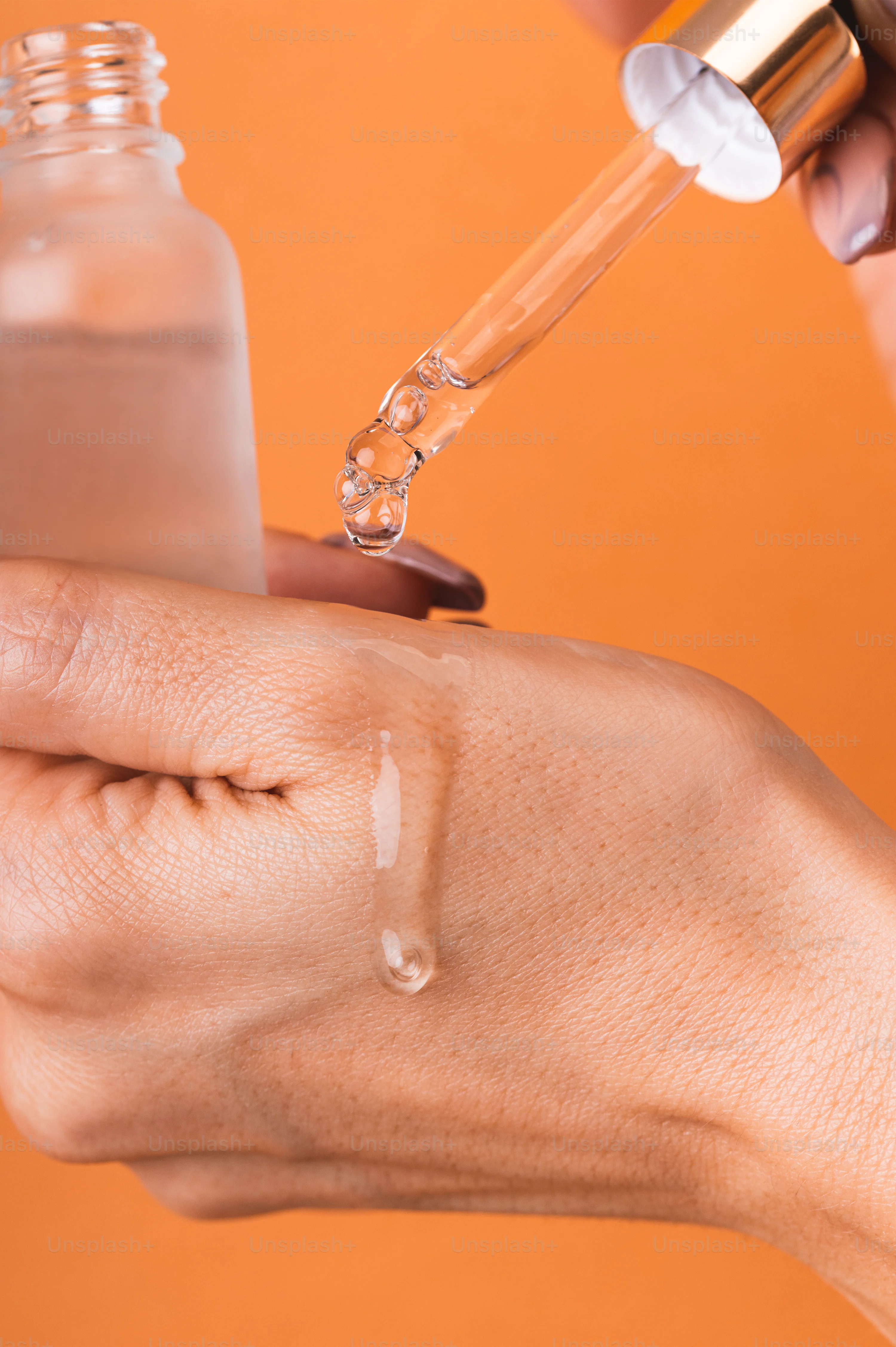
People around the world spend billions of dollars every year trying to look younger. Companies produce thousands of creams, pills and treatments for our skin to look younger. In addition, scientists have worked for decades on trying to slow down the ageing process. This week, scientists made a breakthrough. They have developed a method to "time jump" cells in human skin. The scientists are from the Babraham Institute in Cambridge, UK. They say they can turn back the ageing clock in cells by 30 years. They added that this could make skin look younger. Skin cells in their tests kept all of the important functions. The scientists say their work is still at an early stage, but it could help people look younger in the future.
The technique developed by the scientists could change medicine and health. The lead researcher, Dr Diljeet Gill, said: "So far, we've only tested this technique in skin cells. We're excited to see if we can translate it across other cell types." This means it could be used to treat skin problems, such as burns, acne and eczema. The scientists hope their technique could also be used to help other parts of the body. Their new method could additionally help to heal cuts more quickly, especially in older people. Researcher Dr Wolf Reik said: "If you cut yourself, it'll take quicker to heal the wound." The scientists said their work might one day help us look younger. It could actually reverse the ageing process.
-
Chat
Talk about these words from the article.
the world / billions of dollars / creams / pills / breakthrough / scientists / the future / technique / skin / cells / acne / parts of the body / older people / wound / ageing
-
Discussion
What do you think about what you read?
Why do people want to look younger?
Do you worry about your skin condition?
What would it be like if everyone looked no older than 25?
What problems do people have as they age?
What are the bad things about reversing the ageing process?
Would you like to live to be 200?
What questions would you like to ask the scientists?